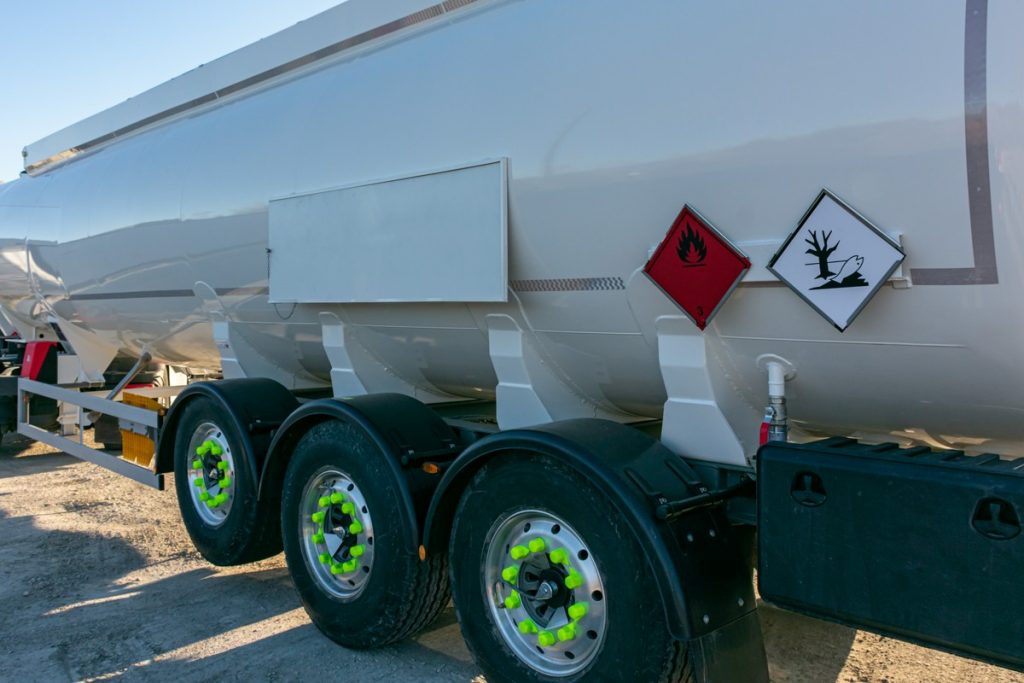
Best Fuel Tankers for the Mining & Energy Sector in South Africa
01.2026
In South Africa, where mining and energy projects are often implemented far from main logistical hubs, fuel is not just an auxiliary resource but a critical element for the continuity of operations. Any delays in its delivery mean real equipment downtimes, reduced efficiency, and tangible financial losses. A fuel tanker becomes a mobile link connecting technical support with the machines’ working site.
Define Use in Mining & Energy
The foundation of selecting a tanker is clearly defining its function within the operational chain. In the mining & energy sector, a tanker can serve as a means of transporting fuel over long distances, a mobile refueling unit for heavy equipment directly, or a hybrid solution combining both tasks. Key considerations include the frequency of refueling, the number of machines serviced, and the necessity of continuous operation.
Verify Compliance and Safety
In the mining and energy industry, the safety of fuel transport is systemic. A tanker must meet the technical requirements for transporting hazardous materials, but the resistance of the structure to operational errors and harsh working conditions is equally important. This verification process should include:
- Tightness of the tank and the quality of structural connections,
- Presence of safety valves and overfill protections,
- Effectiveness of anti-corrosion protection under high temperatures and dust conditions,
- Grounding systems and electrostatic protection,
- Solutions limiting unauthorized access to the fuel.
Such an approach reduces the risk of failures, fuel losses, and environmental incidents.
Choose the Structure and Load Capacity
The construction of the tanker should be aligned with real operational loads. In the mining & energy sector, reinforced tanks capable of operating on rough terrain and with high dynamic loads are standard. The choice between single-walled and double-walled construction affects the level of environmental protection and the vehicle’s tare weight. The load capacity should be selected to limit the number of trips without compromising transport stability and safety.
Configure the Distribution System
A tanker used in mining & energy often functions as a mobile refueling point. This necessitates a distribution system that ensures quick and controlled fuel dispensing directly to the working machinery. The efficiency of pumps, quality of filtration, and precision of measurement directly impact work pace and fuel consumption control. Integrating distribution with reporting systems allows for better management of fuel resources and reducing operational losses.
Prepare for Tough Terrain and Risks
Operating tankers in South Africa means working in environments with limited road infrastructure, high dust levels, and significant temperature variations. Tankers must be adapted to such conditions through appropriate suspension, structural reinforcements, and protection of fuel system components. Additionally, logistics strategies for navigating these environments can be integral. Limiting fire risk through the use of materials and technical solutions resistant to mechanical damage and sparking is also crucial.
Calculate Costs and Service in South Africa
Cost analysis should include not only the purchase of the tanker but also its operation over the long term. In the conditions of South Africa, the availability of service, spare parts, and the possibility of conducting regular technical inspections are vital. Properly planning the service infrastructure helps limit downtimes and maintain the continuity of fuel supply even in remote locations.
CGH: Fuel Tankers for Sale in South Africa
CGH offers fuel tankers for sale in South Africa designed with the specific needs of the mining & energy sector in mind. These solutions allow for configuration focusing on safety, fuel distribution, and working in demanding terrain conditions, tailoring the equipment to real operational needs.
Summary
In the mining & energy sector, a tanker is critical for the continuity of operations. Selection should be based on specific use and fieldwork model. Safety and technical compliance minimize operational and environmental risks. Structure and distribution systems determine refueling efficiency. Planned service in South Africa is crucial for long-term reliability.
FAQ
What role does a tanker play in the mining & energy sector?
A tanker is a key operational component, ensuring the continuity of fuel supply to machinery. Its absence or delays can lead to downtimes and financial losses.
What influences the choice of the right tanker?
The choice of a tanker depends on its functions, such as long-distance transport or mobile refueling. Important factors include refueling frequency and the number of machines serviced.
Why is the safety of fuel transport so important?
The safety of fuel transport is crucial due to risks associated with hazardous materials. Tankers must be resilient to harsh working conditions and operational errors.