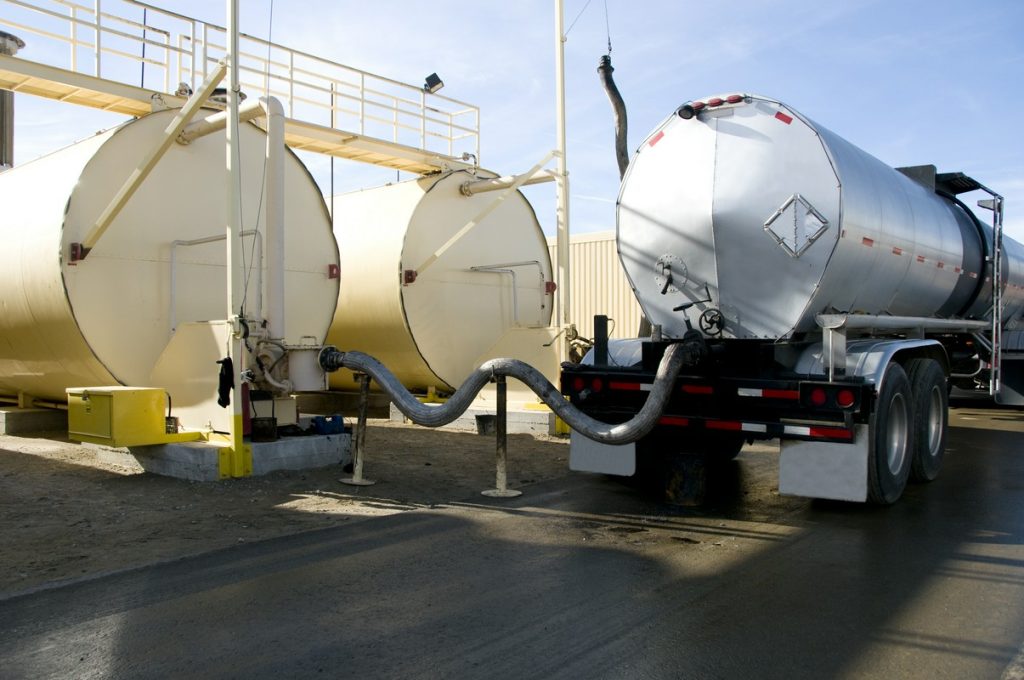
Diesel Tanks: Reliable Options for Transport and Logistics Companies
01.2026
Diesel tanks are a crucial part of infrastructure in transport and logistics companies, where the continuity of fuel supply, cost control, and operational safety directly impact business performance. Selecting the appropriate solution should not be limited solely to the tank’s capacity but should also consider its intended use, design, fuel distribution method, and monitoring and control capabilities.
Define the Use of the Diesel Tank
The first step in selecting a tank is to precisely define its role within the company’s structure. Companies with a large fleet of trucks will have different requirements than those using diesel sporadically, for example, to power machinery or generators. The frequency of refueling and the number of users accessing the tank also matter. When searching for a diesel tank for sale, it is crucial to match the technical parameters to actual operational needs, not just the declared capacity.
Choose the Construction and Material
The construction of the tank and the material from which it is made have a direct impact on its durability and safety. The most commonly used materials are steel and plastics, with each variant performing well under different operating conditions. Steel provides high mechanical resistance, while modern plastics are resistant to corrosion and lighter in weight. It is also important whether the tank is single-walled or double-walled, as double-walled solutions offer additional environmental protection in case of leaks.
Configure the Fuel Distribution
The fuel distribution system determines the tank’s functionality in daily use. Proper configuration can streamline refueling and minimize fuel losses. In practice, consider the following:
- Ensure the pump efficiency is tailored to the number of vehicles.
- Choose the appropriate type of nozzle and distribution hoses.
- Make sure there are filters protecting the vehicle fuel systems.
- Allow for the possibility of expanding the system with additional components.
- Optimize the ergonomics of component placement.
A well-designed distribution impacts work speed and user comfort while reducing the risk of failures and uncontrolled leaks.
Ensure Compliance and Safety
Operating diesel tanks involves meeting certain technical and organizational requirements. The tank should be equipped with safeguards against overfilling, unauthorized access, and potential damage. Equally important is having the appropriate documentation confirming the tank’s compliance with current standards. Safety also includes proper tank placement and regular technical inspections, which minimize the risk of downtime and costly interventions.
Automate Dispensing Control
In transport and logistics companies, precise fuel consumption monitoring plays an increasingly important role. Automating diesel dispensing allows for accurate refueling monitoring, assigning consumption to specific vehicles or drivers, and analyzing data over a longer period. User identification systems, transaction recording, and reporting help prevent misuse and streamline internal billing. Consequently, the tank becomes not just a fuel store but a component of the cost management system.
Diesel Tank for Sale at CGH
The range of tanks available from CGH includes solutions designed for intensive use in the transport and logistics sector. The ability to configure the tank regarding capacity, distribution system, and automation level is a significant advantage, allowing it to be tailored to the company’s real needs. This approach facilitates the integration of the tank as a durable element of the fuel infrastructure, supporting daily operations.
Summary
- The selection of a tank should be preceded by an analysis of real fuel needs.
- Construction and material affect durability and operational safety.
- Efficiently designed fuel distribution improves daily fleet operations.
- Technical compliance and safeguards minimize the risk of failures and losses.
- Automation of fuel dispensing control supports cost management and operational transparency.
FAQ
What factors should be considered when choosing a diesel tank?
When choosing a tank, consider its intended use, construction material, design, and fuel distribution system. It is also important to match the technical parameters to the company’s actual needs.
Why is the construction of the tank important?
Construction impacts durability and safety. Steel tanks are mechanically durable, while plastic ones resist corrosion. Double-walled tanks offer additional protection.
What does automation of the fuel distribution system provide?
Automation enables precise monitoring of fuel consumption, assignment to specific vehicles, and data analysis, which aids in cost management and prevents misuse.